
In the shisha industry, price competition is brutal. Many brand owners, distributors, and importers feel constant pressure to lower costs just to stay competitive. At first glance, choosing Cheap Charcoal feels like a smart business move. Margins look wider, cash flow feels lighter, and suppliers promise “acceptable quality.”
But behind the scenes, cheap decisions often turn into long-term losses. In reality, Cheap Charcoal is rarely cheap once you calculate the damage it creates across your brand, customers, and operations.
This article explains why chasing low prices in charcoal is one of the most expensive decisions in the shisha industry.
Cheap Charcoal Shifts Cost to Somewhere Else

When charcoal is priced far below market average, the cost doesn’t disappear — it moves. It shows up as unstable burn time, excessive ash, unpleasant smell, or cracked cubes during transport. These problems don’t stay at the factory level. They reach lounges, retailers, and end users.
Shisha smokers may not understand production issues, but they immediately feel poor performance. Once customers associate bad sessions with your brand, the damage is already done. Saving money at the supplier level often means paying later in reputation and retention.
Burn Time Is Where Cheap Charcoal Fails First
One of the first compromises in Cheap Charcoal is burn duration. Low-grade raw materials, rushed carbonization, or weak quality control result in charcoal that burns fast and inconsistently. For shisha lounges, this means more refills, more complaints, and higher operational costs.
When lounges calculate how many cubes they consume per session, Cheap Charcoal often ends up costing more per night than premium alternatives. Short burn time turns a “cheap” product into an expensive operational problem.
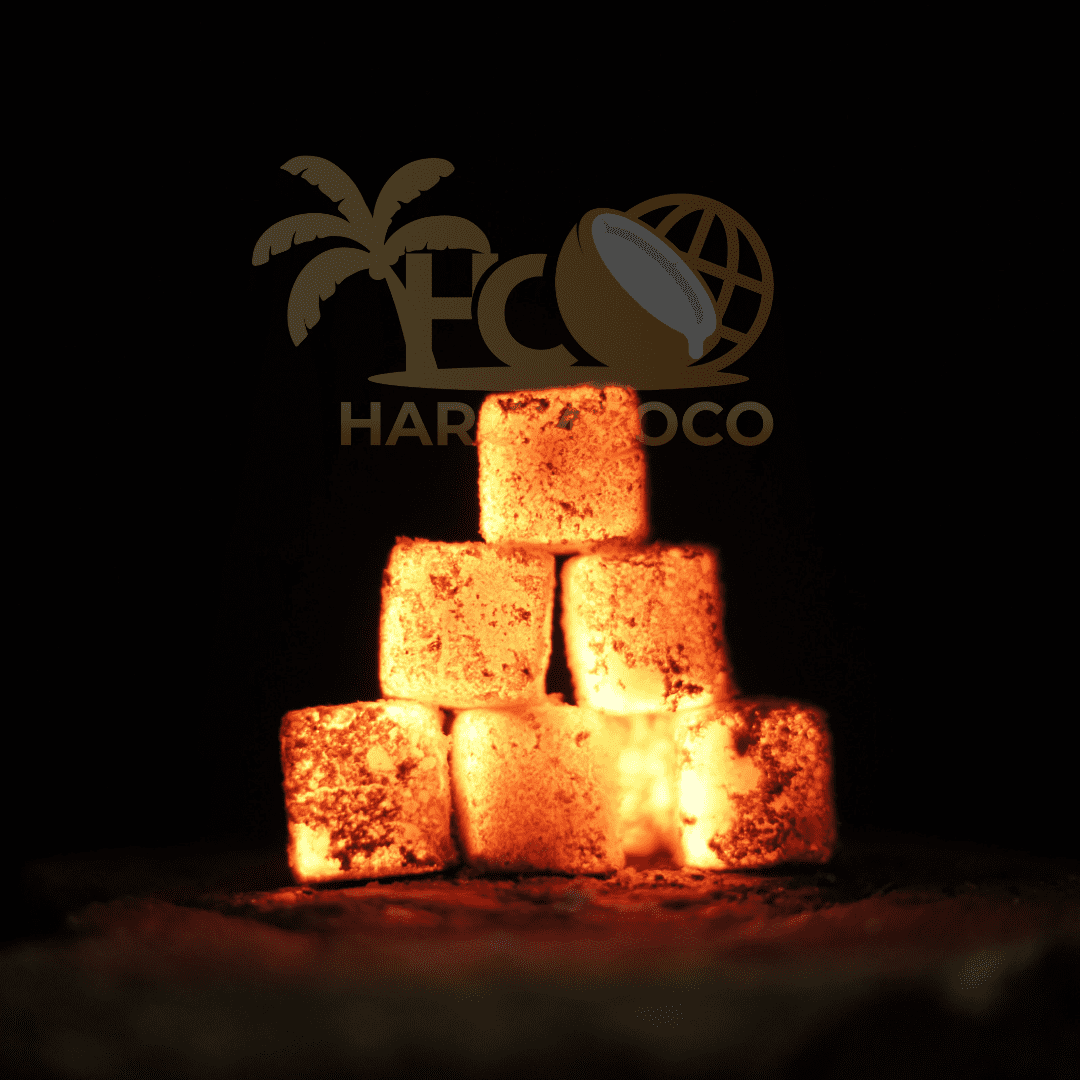
Cheap Charcoal Damages Brand Trust Quietly
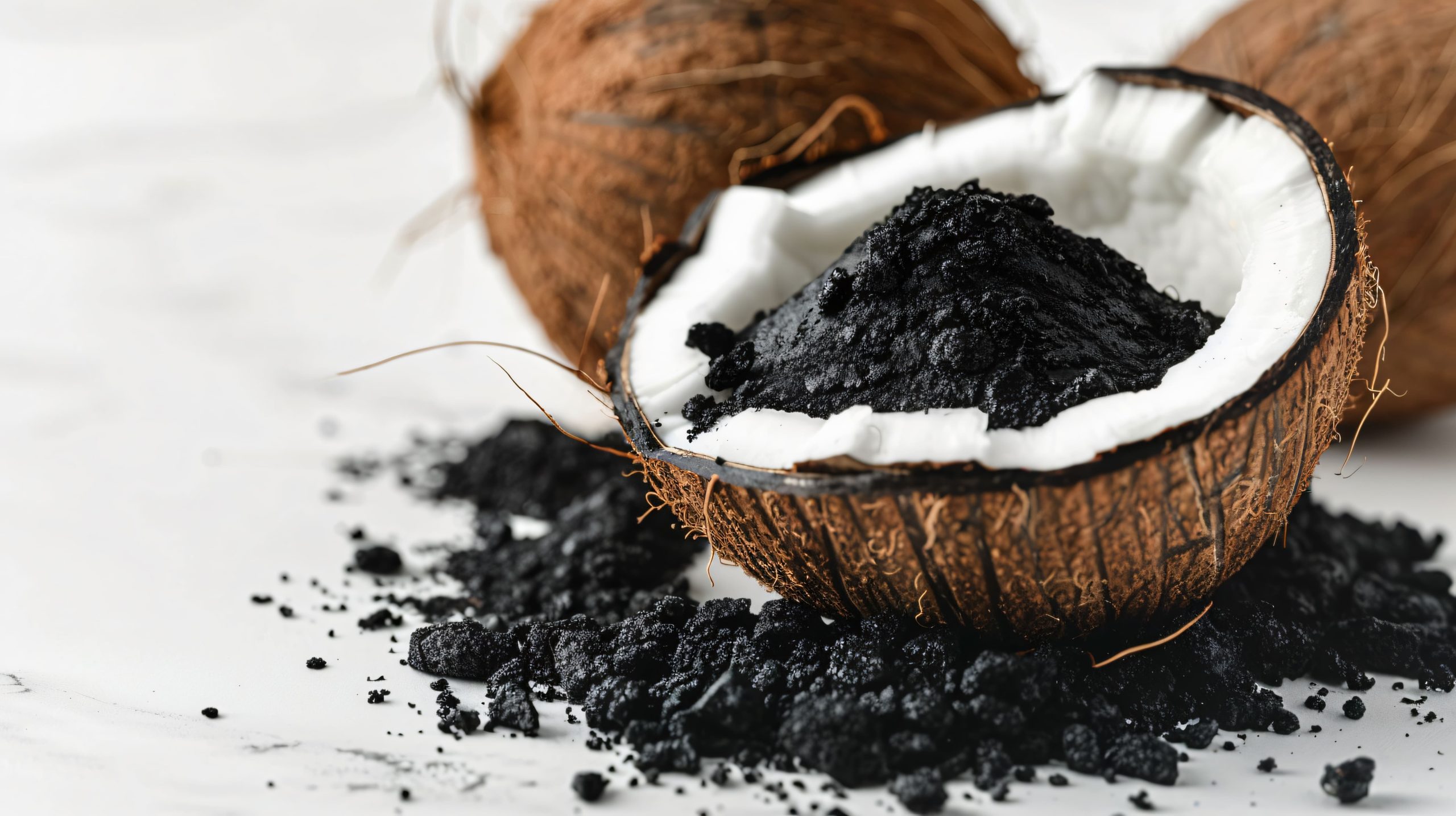
The most dangerous thing about Cheap Charcoal is that the damage is not always immediate. Early shipments may seem acceptable, but inconsistency appears over time. One batch performs well, the next disappoints. Customers begin to doubt reliability.
In the shisha industry, trust is everything. Once buyers start questioning quality, they become sensitive to every issue. Complaints increase, negotiations become harder, and loyalty disappears. Rebuilding trust costs far more than choosing the right supplier from the beginning.
Read More Shisha Charcoal Characteristics
VISIT US COCONUT CHARCOAL SHISHA FACTORY
Export and Wholesale Risks Multiply
For exporters and wholesalers, Cheap Charcoal is even riskier. Cracking during shipment, failed quality checks, or rejected containers can wipe out months of profit. International buyers rarely tolerate excuses, especially when they already paid competitive prices.
A single problematic shipment can result in discounts, delayed payments, or terminated contracts. At that point, the low purchase price becomes irrelevant compared to the losses incurred.
The Illusion of Short-Term Profit
Cheap Charcoal creates an illusion of quick wins. The first few deals feel successful, encouraging repetition. But over time, hidden costs accumulate — customer churn, marketing damage, operational inefficiencies, and lost partnerships.
Smart shisha brands eventually realize that sustainability comes from consistency, not discounts. Profit grows when customers reorder confidently, not when suppliers cut corners.
Conclusion: Real Value Is Not About Price
In the shisha industry, the cheapest option is often the most expensive lesson. Cheap Charcoal may reduce costs on paper, but it increases risk everywhere else — from customer satisfaction to brand credibility and export stability.
At HarumCoco, we focus on delivering consistent performance, stable burn time, and export-ready quality. Our approach is built to support long-term brand growth, not short-term savings that lead to long-term losses.

Harumcoco – Coconut Charcoal Shisha Supplier
Harumcoco Indonesia