The Timeless Art of Charcoal Making
Long before the age of machines and modern factories, ancient people had already unlocked the secret of turning wood into black gold — coal. But this wasn’t just for cooking or warmth. Coal was the hidden force behind metallurgy, warfare, and even art. The ancient methods of charcoal making reveal a world where science met survival.
Let’s explore how ancient cultures perfected this blackened craft, and how these early innovations still spark inspiration in today’s charcoal industries.
The Origins of Charcoal: Nature’s Gift Turned into Fuel
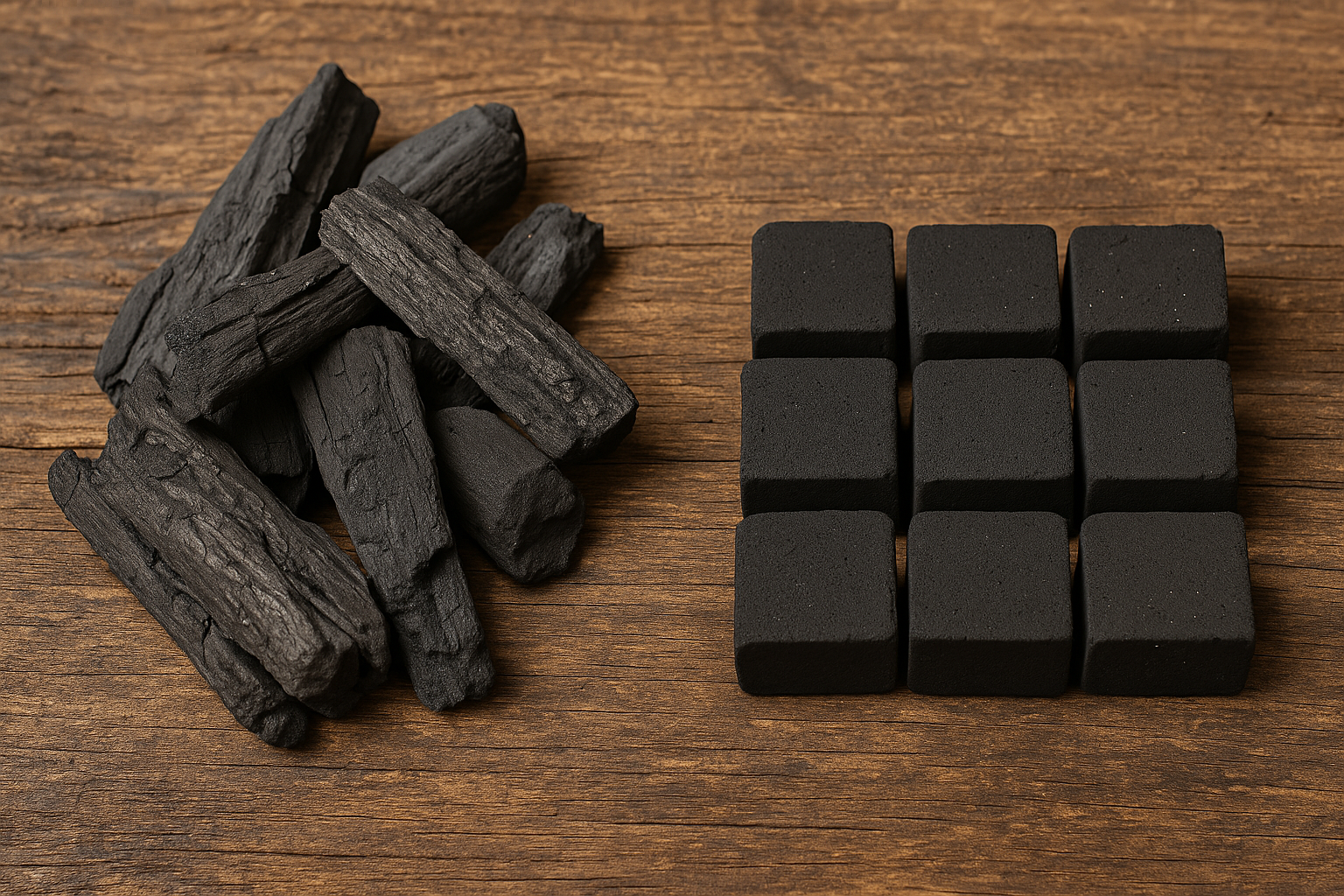
Coal was discovered when people noticed that partially burnt wood created a material that burned hotter and longer than firewood. This naturally occurring transformation laid the foundation for what we now call charcoal making — the process of heating organic material in the absence of oxygen.
It was in forested regions, where wood was plentiful, that early civilizations like the Egyptians, Greeks, and Chinese began to intentionally produce for specific uses.
Ancient Charcoal Kilns: Primitive Engineering at Its Finest
One of the earliest forms of coal production involved earth-covered kilns. People stacked wood in a dome or pyramid shape, covered it with soil and leaves, and ignited it slowly. The controlled burn could last several days, ensuring most of the wood turned into charcoal without crumbling into ash.
This low-tech but highly effective form of coal required patience, experience, and a deep understanding of fire behavior — an art passed from generation to generation.

Charcoal and Metallurgy: Powering the Bronze and Iron Ages

As societies advanced, so did their needs. Coal became essential for smelting metals, as it reached higher temperatures than wood alone. Without it, the Bronze Age and Iron Age would’ve never happened. In this sense, coal wasn’t just a trade — it was the backbone of early industrial development. Blacksmiths, warriors, and builders all depended on the reliability and energy of high-quality coal
Read More Shisha Charcoal Characteristics
VISIT US COCONUT CHARCOAL SHISHA FACTORY
The Evolution of Charcoal Making in Asia
In Japan, making evolved into an art form. Techniques like producing binchōtan involved slow carbonization of dense hardwoods in ceramic kilns, followed by rapid cooling with ash. This method created ultra-dense, nearly smokeless charcoal prized for tea ceremonies, cooking, and today — high-end shisha experiences.
The precision and philosophy of Japanese coal making continues to inspire sustainable practices worldwide.
From Ancient Techniques to Modern Innovations

Even in today’s high-tech world, many principles from ancient production remain relevant. Modern kilns may be built from steel and use sensors, but the core process — slow carbonization of organic material — is largely the same.
Sustainability has now become a major focus, leading to innovations like coconut shell coal briquettes — a more eco-friendly alternative inspired by the old ways but adapted to today’s environmental needs.
Charcoal as Culture: More Than Just Fuel
In many ancient societies, coal wasn’t just functional. It was symbolic. It represented transformation — turning raw material into refined energy. From ritual fires to medicinal uses, making charcoal often held cultural or even sacred meaning.
This respect for the material adds a layer of depth to our modern view of coal, especially in fields like shisha, where tradition and experience matter as much as performance.

The Legacy of Charcoal Lives On
From ancient fire pits to modern shisha lounges, charcoal has shaped our world. What began as a survival tactic became a cultural cornerstone and an industry. As we move toward more sustainable options like coconut briquettes, we carry forward not just a fuel — but a legacy.

Harumcoco – Coconut Charcoal Shisha Supplier
Harumcoco Indonesia