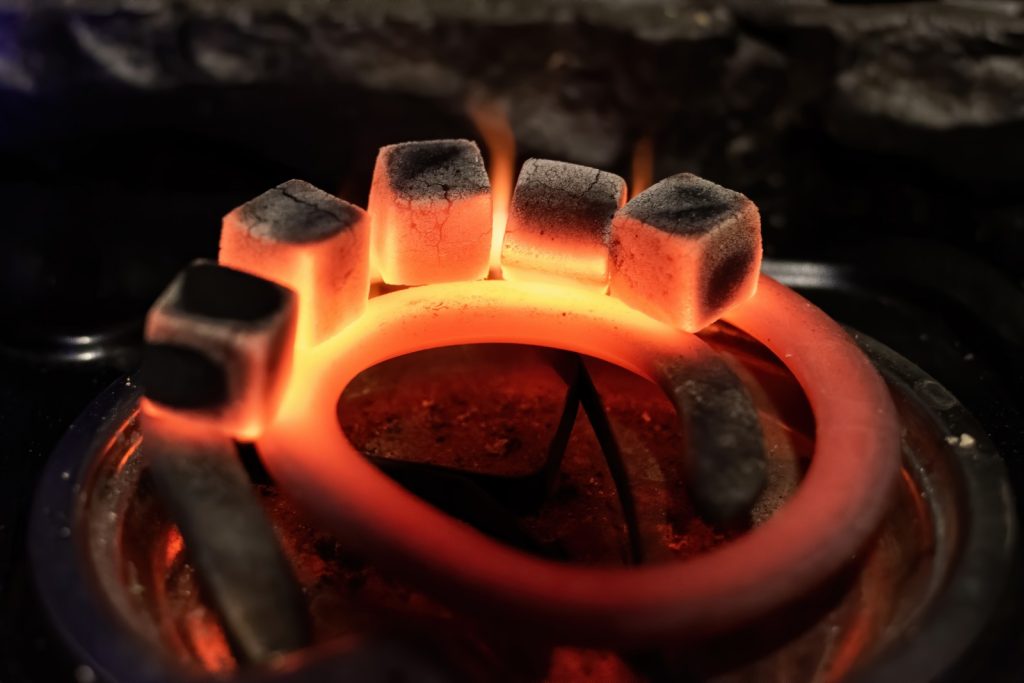
For many buyers, charcoal quality is judged only after the product reaches the market. They evaluate burn time, ash level, heat stability, and cube durability during real shisha sessions. When performance changes between shipments, the reaction is usually confusion.
Why does one batch perform perfectly while another feels slightly different?
The answer often lies deep inside the Charcoal Production process itself. What happens behind factory walls — from raw material handling to carbonization control — determines whether charcoal performs consistently or unpredictably.
Most buyers never see these stages. Yet these hidden processes shape the final product more than any marketing specification.
Charcoal Production Starts with Raw Material Reality

The first step of Charcoal Production begins long before briquettes are formed. It starts with coconut shells — the primary raw material. While Indonesia has abundant coconut resources, not all shells carry the same quality characteristics.
Factors such as shell maturity, moisture exposure, and storage duration can influence carbon content and density. If raw materials are not carefully selected and standardized, the resulting charcoal may vary in strength and burning behavior.
Stable Charcoal Production requires disciplined raw material sourcing. Without this foundation, consistency becomes difficult to maintain no matter how advanced the machinery is.
Carbonization: The Most Sensitive Stage
Carbonization is the stage where coconut shells are heated in controlled environments to convert them into charcoal. This process defines many core characteristics of the final product, including carbon content, structural strength, and heat efficiency.
However, carbonization is extremely sensitive to temperature stability and timing. If the heat is too high, charcoal may become brittle. If it is too low, carbonization may remain incomplete.
Inconsistent temperature control during Charcoal Production can lead to variations that buyers only discover during use — such as uneven burn time or unexpected ash levels.
Factories that carefully monitor carbonization parameters tend to achieve far more stable results.
Briquetting and Compression Pressure
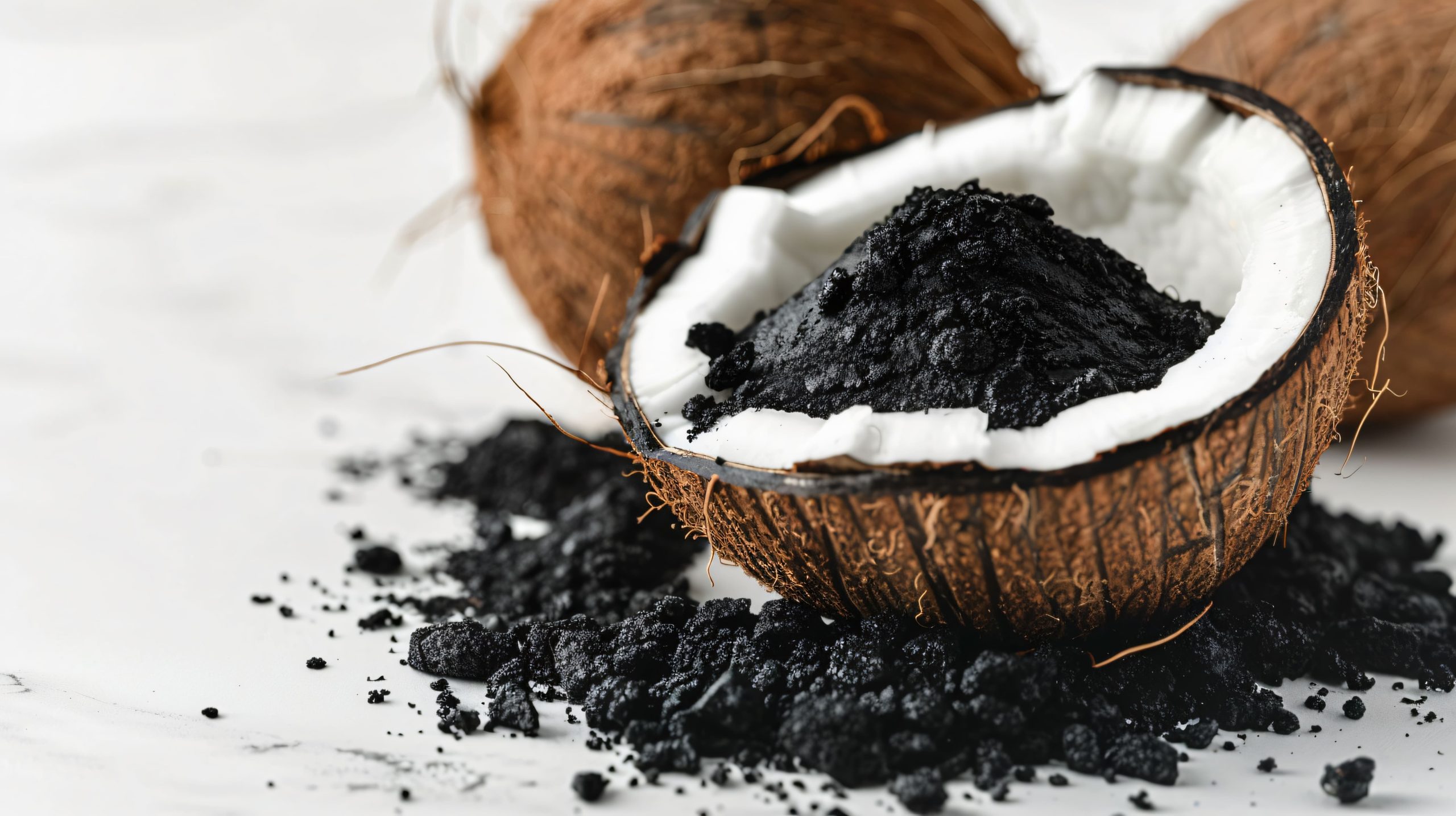
Once charcoal powder is produced, it is mixed with natural binders and compressed into briquettes. The pressure used during this stage plays a crucial role in cube density and durability.
Inconsistent compression pressure can lead to cubes that break easily or burn too quickly. If machinery calibration shifts or operators adjust pressure inconsistently, performance variations may appear between batches.
Reliable Charcoal Production depends on repeatable mechanical settings. Small adjustments at this stage can significantly influence the final user experience.
Read More Shisha Charcoal Characteristics
VISIT US COCONUT CHARCOAL SHISHA FACTORY
Drying Time and Moisture Stability
After briquettes are formed, they must undergo controlled drying to remove remaining moisture. This step directly affects ignition speed, burn stability, and smoke behavior.
If drying time is shortened — sometimes due to shipping deadlines or production pressure — the charcoal may retain higher moisture levels. While the cubes may still look perfect externally, hidden moisture can reduce burn efficiency.
In large-scale Charcoal Production, disciplined drying schedules are essential to ensure stable performance across shipments.
Human Factors in the Production Line
Even with machinery and technical systems, human oversight remains critical in Charcoal Production. Skilled operators monitor kiln conditions, inspect cube quality, and identify irregularities before packaging.
Factories that invest in training and structured supervision often achieve stronger quality consistency. Those relying solely on manual judgment without standardized procedures may experience unpredictable variations.
In many cases, production inconsistency is not caused by equipment failure but by process discipline.
Conclusion: Consistency Is Engineered, Not Accidental
Behind every stable charcoal product is a carefully controlled production system. Raw material selection, carbonization temperature, compression pressure, drying discipline, and trained operators all contribute to reliable performance.
When any part of the Charcoal Production chain becomes unstable, the final product reflects those weaknesses.
For businesses operating in the competitive shisha market, working with suppliers who prioritize structured production processes can make a significant difference. At HarumCoco, we focus on monitored production stages, disciplined quality control, and consistent output designed to support long-term partnerships.
Because in the charcoal industry, consistency is not a coincidence — it is the result of controlled production from start to finish.

Harumcoco – Coconut Charcoal Shisha Supplier
Harumcoco Indonesia