
The Evolution of Shisha Charcoal — A Story That Changed the Hookah Experience Forever
When you think about shisha, your mind probably goes to the rich flavors, the bubbling water pipe, or the relaxing atmosphere of a lounge. But there’s one crucial element that rarely gets the spotlight: charcoal.
What many don’t realize is that the evolution of shisha charcoal has quietly but profoundly transformed the entire hookah experience. From the ancient days of burning raw wood to today’s precision-crafted coconut shell briquettes, the journey of charcoal mirrors the story of shisha itself — adapting, improving, and elevating.
In this article, we’ll explore that fascinating transformation. We’ll uncover how early civilizations used natural materials, how innovation sparked a shift in the Middle East and Asia, and how coconut charcoal became the global gold standard. If you’ve ever enjoyed a smooth session with clean heat and no aftertaste, you’re already part of this remarkable evolution — even if you didn’t know it yet.
The Origins: Wood Charcoal and Its Cultural Role
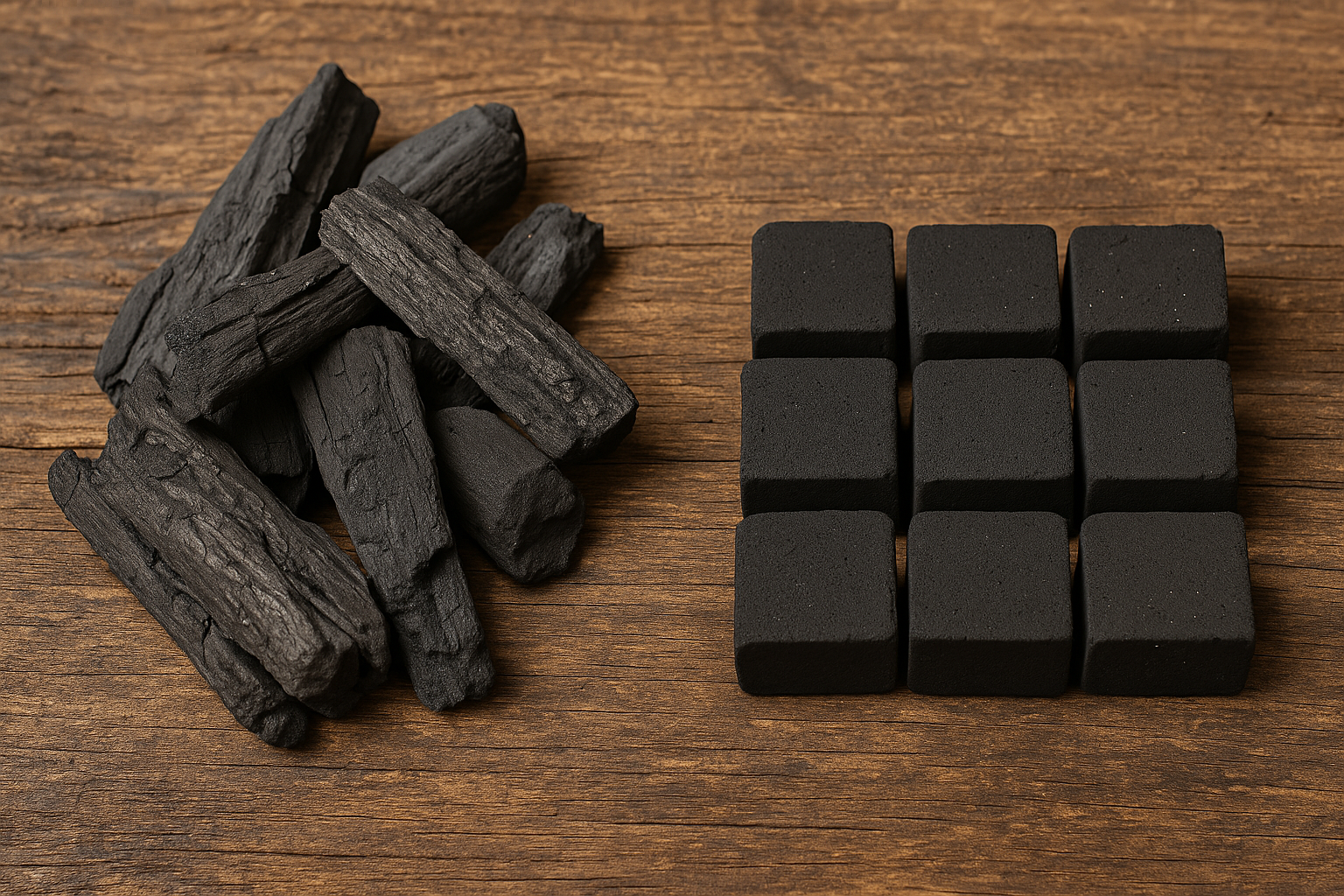
The evolution of shisha charcoal began centuries ago with a simple resource — wood. In the early days of hookah culture, whether in Persia, India, or the Arab world, the charcoal used was just naturally burnt wood from fruit trees like citrus, olive, or pomegranate.
These wooden embers were made in small kilns or open fires and used to heat the tobacco slowly without overwhelming the flavor. The local availability of wood shaped the type of charcoal people used, and each region had its own “signature burn.” While it did the job, wood charcoal often burned unevenly, left a lot of ash, and sometimes gave off strong flavors that interfered with the shisha. As demand grew and hookah became more of a social and commercial ritual, the search for something better began.
From Local Craft to Artisanal Precision in Evolution of Shisha Charcoal
By the 18th and 19th centuries, shisha had grown in popularity across North Africa and the Middle East. This demand gave birth to local charcoal artisans who specialized in crafting better wood charcoal — selecting denser hardwoods, burning them slowly in controlled environments, and delivering consistent embers for upscale hookah cafes.
This era showed the early signs of innovation in the evolution of shisha charcoal. People were no longer satisfied with “whatever burns.” They wanted longer sessions, less ash, and less taste disruption.
However, even with improved methods, wood charcoal was limited by nature — it still required tree cutting, wasn’t always available year-round, and took time and effort to make. As shisha began to spread globally, a more scalable and sustainable solution was needed.

Coconut Shell: The Turning Point in the Evolution of Shisha Charcoal

Enter the game-changer: coconut shell charcoal. In the late 20th century, especially in Southeast Asia, manufacturers discovered that coconut shells — previously just waste from the coconut industry — could be turned into premium-grade charcoal.
This marked a massive leap in the evolution of shisha charcoal for a few key reasons:
– Eco-friendly: No trees are cut; it uses agricultural waste.
– Consistent burn: Uniform size and density ensure even heat.
– Long-lasting: One cube can burn for 60–90 minutes.
– Low ash & odorless: Clean sessions, pure tobacco flavor.
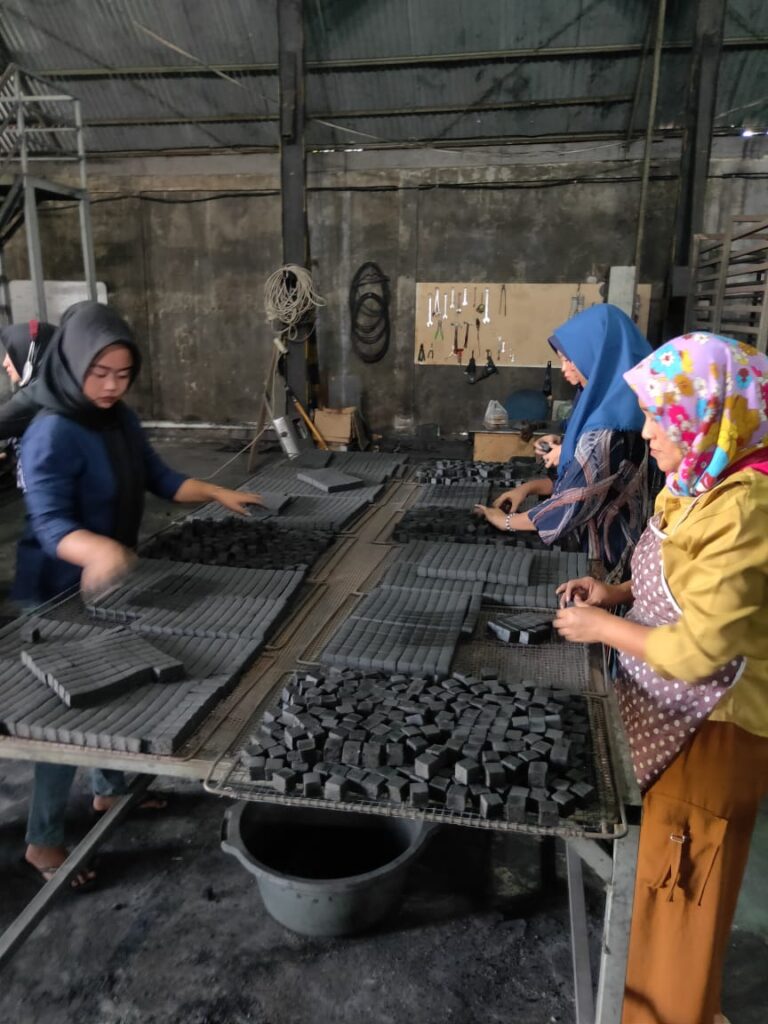
Indonesia, being the world’s top coconut producer, quickly became the epicenter of coconut charcoal manufacturing. Factories like HarumCoco began investing in better kilns, natural binding processes, and strict quality control — making coconut briquettes the new international standard.
Read More Shisha Charcoal Characteristics
VISIT US COCONUT CHARCOAL SHISHA FACTORY
How Coconut Charcoal Elevated the Hookah Experience
Coconut shell charcoal didn’t just replace wood — it redefined quality. For shisha lounges and at-home users, the difference was night and day:
– Longer sessions with fewer relights
– Minimal flavor interference
– Cleaner ash disposal and no sparks
– Higher safety, especially in indoor spaces
Many modern brands today wouldn’t exist without this innovation. The evolution of shisha charcoal made it possible for hookah to become a consistent, premium lifestyle product — not just a regional tradition.
This is why HarumCoco focuses entirely on coconut-based charcoal: it meets global expectations, protects the environment, and supports better business for our partners.
Quick-Lights, Chemicals, and the Shortcut Path

While coconut charcoal was gaining popularity, the early 2000s also saw a rise in quick-light charcoal — made with chemical accelerants to ignite instantly. While these were convenient, especially for casual or beginner users, they came with trade-offs:
– Harsh taste and chemical odor
– Shorter burn time
– More health concerns due to additives
Today, the industry is leaning more toward natural, slow-burning charcoal again — with coconut briquettes leading the charge. The quick-light era showed how convenience often sacrifices quality — a lesson many serious users learned the hard way.
The Future of Shisha Charcoal: Innovation Meets Sustainability
The evolution of shisha charcoal is far from over. Manufacturers are now working on:
– Faster lighting natural briquettes (without chemicals)
– Smokeless charcoal options
– Even more eco-friendly production methods
– Biodegradable packaging and carbon-neutral factories
As environmental awareness rises globally, consumers now expect more than just a good product — they want clean energy, sustainable sourcing, and traceability. Coconut charcoal, being a waste-based fuel, is already far ahead of fossil-fuel-based alternatives.
At HarumCoco, we’re proud to lead this next phase — combining traditional craftsmanship with modern manufacturing, ensuring a cleaner future for the shisha industry.
More Than Just Heat
The evolution of shisha charcoal is a powerful reminder that even the smallest detail — like what you use to heat your bowl — can have a huge impact on tradition, quality, and sustainability.
Today’s best charcoal is not just about fire — it’s about precision, responsibility, and enhancing every puff of flavor.
Whether you’re a casual user or a brand owner, choosing the right charcoal isn’t just a technical choice — it’s a statement of quality. And in that story, coconut charcoal stands as the future of the flame.

Harumcoco – Coconut Charcoal Shisha Supplier
Harumcoco Indonesia