A New Era of Shisha Experience
The rise of shisha culture worldwide has brought attention not only to flavors and technique but also to one crucial element: the charcoal. While traditional wood-based charcoals served the past, modern enthusiasts and professionals now seek something better. Enter the era of shisha charcoal made from coconut shells — a game-changer for the global hookah scene.
What Makes a Good Shisha Charcoal?

Not all charcoal is created equal. For a smooth, flavorful, and long-lasting session, the quality of the charcoal matters just as much as the tobacco. A good charcoal should:
– Burn steadily without producing harsh smoke
– Have minimal ash residue
– Be odorless and tasteless
– Light efficiently without chemical accelerants
This is where coconut shell charcoal begins to outshine its competitors.
The Rise of Coconut Shells in Shisha Charcoal Innovation
Coconut shells are a natural byproduct of the coconut industry, particularly abundant in Southeast Asia. For years, they were discarded or used minimally. But through innovation, they’ve been transformed into a high-quality, sustainable material — ideal for charcoal manufacturing.
Their density and carbon structure allow for a slow, even burn and produce very little ash. This results in longer sessions and better heat control for flavor-rich enjoyment.

Why Coconut-Based Charcoal Is Dominating the Market
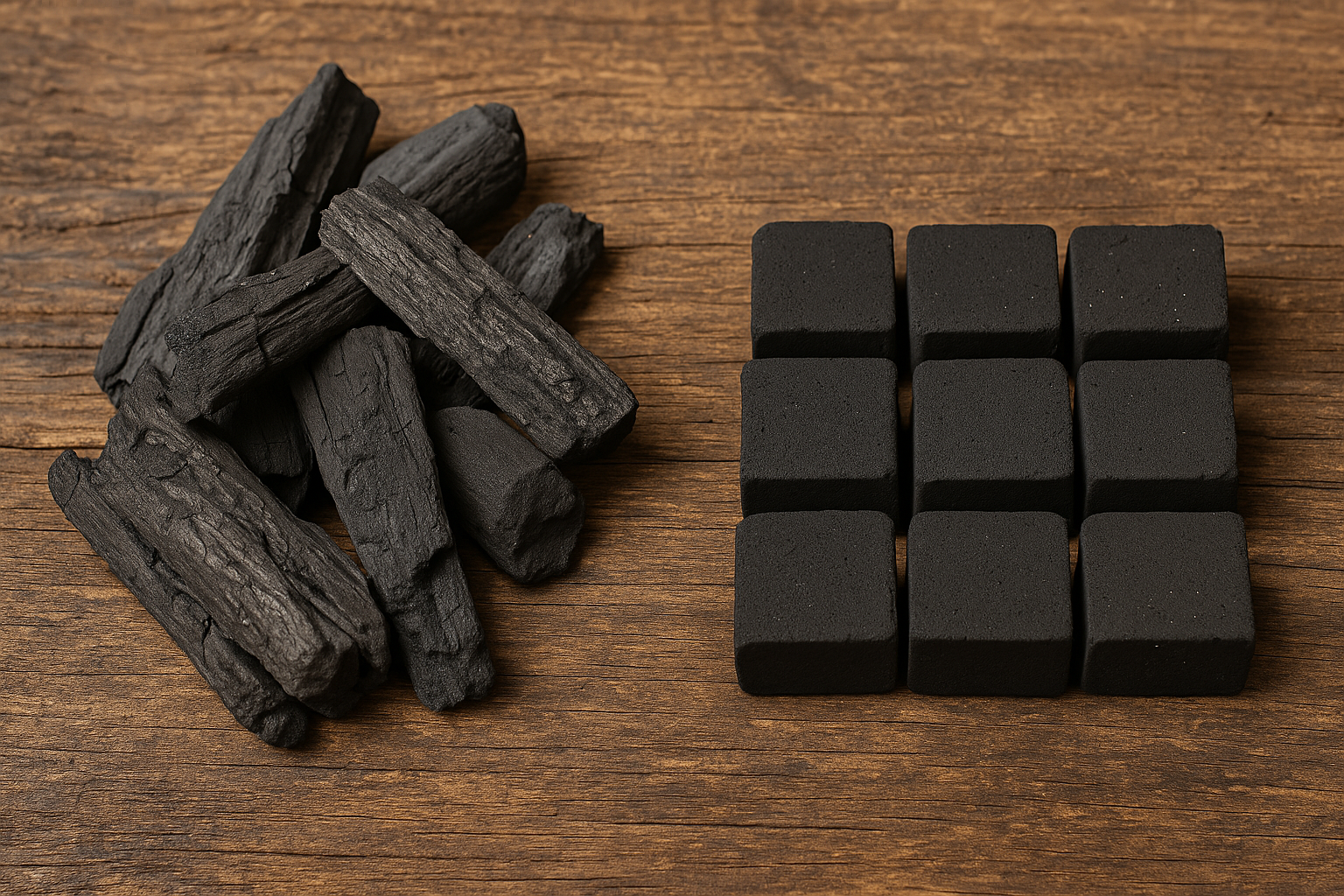
There are several reasons why coconut shell-based charcoal is now considered the gold standard:
– Eco-Friendly: No trees are cut down — the shells are agricultural waste.
– Clean Burning: Produces no sparks, no smell, and very low ash.
– Consistent Performance: Ideal for lounges and premium hookah brands.
– Compact & Dense: Burns longer and hotter compared to traditional wood charcoal.
As global consumers become more eco-conscious, choosing sustainable charcoal is both a responsible and premium decision.
Read More Shisha Charcoal Characteristics
VISIT US COCONUT CHARCOAL SHISHA FACTORY
Comparison: Wood Charcoal vs. Coconut Briquettes
Let’s compare two popular types of shisha charcoal:
| Feature | Wood Charcoal | Coconut Shell Briquettes |
| Burn Time | Shorter | Longer |
| Ash Residue | High | Low |
| Flavor Preservation | Sometimes smoky | Neutral, clean taste |
| Sustainability | Can involve deforestation | 100% eco-friendly |
Clearly, coconut briquettes offer superior characteristics for shisha use.
The Manufacturing Process Behind Premium Charcoal

Creating coconut charcoal involves a precise and clean production method:
1. Collection of aged coconut shells
2. Carbonization in oxygen-restricted kilns
3. Grinding into fine charcoal powder
4. Mixing & Binding with natural ingredients
5. Compression into uniform cube or hex shapes
6. Drying & Packaging under quality control standards
This method ensures consistency and safety — crucial for high-end consumer satisfaction.
Global Demand and the Future of Shisha Charcoal
With the rise of modern lounges and premium shisha brands, coconut shell charcoal has become a must-have. Markets across Europe, the Middle East, and the U.S. are shifting towards products that combine performance, purity, and sustainability.
Manufacturers that focus on stable production, strict quality checks, and raw material traceability are leading this new generation of charcoal.
Why Coconut Shells Are Here to Stay
The world of shisha is evolving — and so is its fuel. Coconut shells, once agricultural waste, now represent the future of shisha charcoal. They offer unmatched performance, environmental responsibility, and a cleaner experience for both casual users and connoisseurs.
For businesses and users alike, choosing coconut charcoal isn’t just about better sessions — it’s about embracing the next era of shisha culture.

Harumcoco – Coconut Charcoal Shisha Supplier
Harumcoco Indonesia